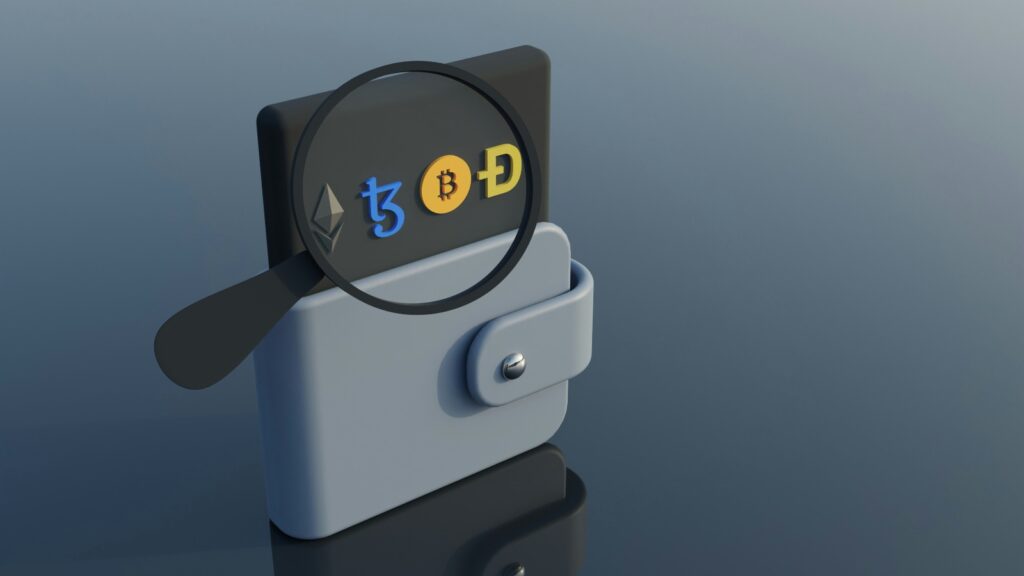
In the ever-evolving digital landscape, cryptocurrencies have revolutionized the way we perceive and handle money. Their decentralized nature and potential for high returns have attracted millions worldwide. However, this digital gold rush has also lured cybercriminals, eager to exploit the unguarded novice and even seasoned investors. Mastering crypto scam awareness is essential to safeguard your digital wealth. This article aims to guide you through the intricacies of crypto scams and equip you with tools to protect yourself effectively.
Understanding the Crypto Scam Landscape
Cryptocurrency scams are diverse and constantly evolving, mirroring the dynamic nature of the crypto market itself. They range from phishing attacks to Ponzi schemes, each with unique methodologies but a common objective: to defraud unsuspecting investors.
Phishing Scams
Phishing scams in the crypto world typically involve fake websites or communications that mimic legitimate exchanges or wallet providers. Victims are tricked into entering their private keys or seed phrases, granting scammers full access to their crypto holdings.
Rug Pulls
A rug pull is a type of scam where developers of a new crypto project suddenly withdraw all funds, leaving investors with worthless tokens. These scams often occur in the decentralized finance (DeFi) space where new projects frequently emerge.
Ponzi Schemes
Ponzi schemes promise high returns with little risk to lure investors. Early investors may receive returns generated from new investors’ contributions, creating an illusion of profitability until the scheme collapses.
Fake Initial Coin Offerings (ICOs)
ICOs allow startups to raise funds by issuing tokens. Scammers create fake ICOs, convincing investors to fund non-existent projects. Once they collect enough money, they disappear, leaving investors empty-handed.
Recognizing Red Flags
Understanding how to identify potential scams is crucial in protecting your digital wealth. Recognize red flags that often indicate a scam:
Unrealistic Promises
Be wary of projects or offers that guarantee high returns with minimal risk. Cryptocurrency investments inherently carry risk, and anyone promising otherwise should be scrutinized.
Lack of Transparency
Legitimate crypto projects are transparent about their team, technology, and business model. If a project lacks verifiable information or evades questions, it could be a scam.
Pressure Tactics
Scammers often create a sense of urgency, pressing you to act quickly or miss out on a lucrative opportunity. While the crypto market can be fast-paced, any investment decision should be carefully deliberated.
Unverified Endorsements
Scammers often claim endorsements from celebrities or industry leaders to gain credibility. Always verify such endorsements from reliable sources.
Strengthening Your Defenses
While recognizing scams is crucial, building robust defenses is equally important. Consider the following measures to protect your crypto assets:
Secure Your Wallets
Use reputable wallets and enable two-factor authentication (2FA) for an added layer of security. Consider hardware wallets, which store your keys offline and are less susceptible to hacking.
Conduct Thorough Research
Before investing in any crypto project, conduct comprehensive research. Study the whitepaper, evaluate the team’s credentials, and analyze the project’s roadmap. Engage with the community to gauge the project’s legitimacy.
Verify URLs and Apps
Always double-check URLs before entering sensitive information. Use official app stores to download crypto-related applications and verify their authenticity.
Education and Awareness
Stay informed about the latest scams and security practices. Join online forums, follow trusted crypto news outlets, and consider taking cybersecurity courses to enhance your knowledge.
Legal and Regulatory Considerations
While the decentralized nature of cryptocurrencies offers numerous benefits, it also poses regulatory challenges. Understanding the legal landscape can aid in identifying legitimate projects:
Regulatory Compliance
Legitimate projects often comply with existing regulations and may be registered with financial authorities. Research the regulatory status of a project in your jurisdiction before investing.
Know Your Customer (KYC) and Anti-Money Laundering (AML) Policies
Many exchanges implement KYC and AML policies to prevent illicit activities. While these measures may seem intrusive, they are designed to enhance security and trust.
Reporting Scams
If you encounter a scam, report it to relevant authorities. Many countries have dedicated agencies for handling cybercrime, and your report can help prevent others from falling victim.
Case Studies: Learning from the Past
Examining past crypto scams provides valuable insights into the tactics used by scammers and how they were thwarted:
The Bitconnect Ponzi Scheme
Bitconnect promised high returns through a lending program, attracting thousands of investors. However, it was revealed to be a Ponzi scheme, leading to significant losses. This case underscores the importance of skepticism towards guaranteed returns.
Mt. Gox Exchange Hack
Once the largest Bitcoin exchange, Mt. Gox collapsed after losing 850,000 Bitcoins to hackers. This incident highlights the importance of using secure exchanges and not keeping large amounts of cryptocurrency in exchange wallets.
Conclusion
As cryptocurrencies continue to gain mainstream traction, the importance of mastering crypto scam awareness cannot be overstated. By understanding the types of scams, recognizing red flags, and implementing robust security measures, you can protect your digital wealth. Stay informed, be cautious, and remember that in the crypto world, if something seems too good to be true, it probably is. Your vigilance is the best defense against the ever-looming threat of crypto scams.