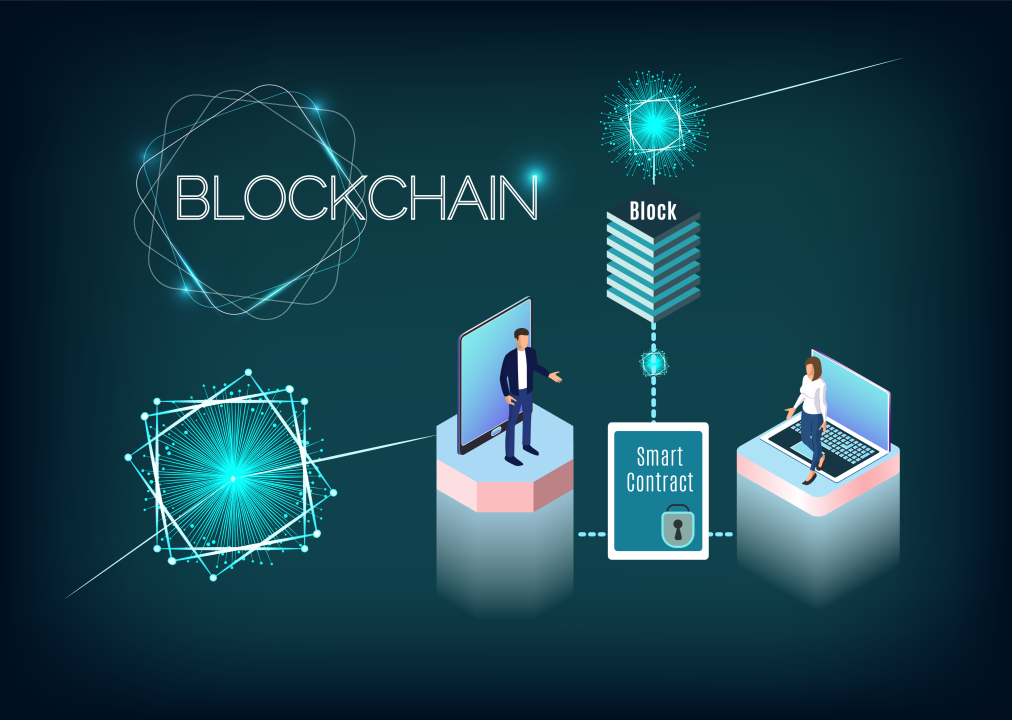
In the ever-evolving landscape of technology, the integration of Artificial Intelligence (AI) with blockchain technology has emerged as a groundbreaking innovation. Among the myriad applications of blockchain, smart contracts stand out as a revolutionary tool that has transformed the way agreements are executed. The fusion of AI with smart contracts holds the potential to further revolutionize industries by enhancing efficiency, security, and automation. This article delves into the transformative impact of AI integration on smart contracts, exploring the benefits, challenges, and future prospects of this synergy.
Understanding Smart Contracts
Before diving into the integration of AI, it is essential to comprehend the fundamental concept of smart contracts. Smart contracts are self-executing contracts with the terms of the agreement directly written into code. These contracts automatically execute actions based on predefined conditions, eliminating the need for intermediaries and reducing the risk of human error. Built on blockchain technology, smart contracts ensure transparency, security, and immutability, making them an ideal solution for various industries such as finance, supply chain, and real estate.
The Role of AI in Enhancing Smart Contracts
The integration of AI into smart contracts introduces a new dimension of intelligence and adaptability. AI algorithms can analyze vast amounts of data, identify patterns, and make predictions, thereby enhancing the decision-making capabilities of smart contracts. This integration offers several key advantages:
1. Improved Decision-Making
AI-powered smart contracts can process and analyze real-time data from multiple sources, enabling them to make informed decisions. For instance, in the supply chain industry, AI can assess market conditions, demand forecasts, and inventory levels to optimize contract execution. This dynamic decision-making capability ensures that contracts adapt to changing circumstances, maximizing efficiency and minimizing risks.
2. Enhanced Security and Fraud Detection
Security is paramount in smart contracts, and AI can significantly enhance this aspect. Machine learning algorithms can detect anomalies and potential fraudulent activities by analyzing historical data and identifying patterns of suspicious behavior. This proactive approach to security helps in preventing unauthorized access and ensuring the integrity of the contract execution process.
3. Automation and Efficiency
AI integration streamlines the automation process of smart contracts. Complex tasks that require cognitive abilities, such as natural language processing and sentiment analysis, can be executed seamlessly. For instance, AI can interpret legal language and ensure that contracts adhere to regulatory requirements. This level of automation reduces the burden on human resources and accelerates contract execution.
Challenges in AI-Smart Contract Integration
While the integration of AI and smart contracts presents numerous benefits, it also comes with its set of challenges. Addressing these challenges is crucial for the successful implementation of AI-powered smart contracts:
1. Data Privacy and Security
The use of AI in smart contracts requires access to vast amounts of data, raising concerns about data privacy and security. Ensuring that sensitive information is protected and that data is used ethically is a significant challenge. Implementing robust encryption methods and adhering to data protection regulations are essential steps in mitigating these concerns.
2. Interoperability
The seamless integration of AI with different blockchain platforms is another challenge. Each platform may have its unique protocols and standards, making interoperability a complex task. Developing standardized protocols and ensuring compatibility between AI systems and various blockchain networks is vital for widespread adoption.
3. Complexity and Cost
Developing AI algorithms and integrating them into smart contracts can be complex and costly. The need for specialized expertise and resources may pose a barrier for smaller enterprises. However, as technology advances and becomes more accessible, these barriers are likely to diminish over time.
Real-World Applications of AI-Enhanced Smart Contracts
The integration of AI into smart contracts has the potential to revolutionize various industries. Here are some real-world applications where AI-enhanced smart contracts are making a significant impact:
1. Supply Chain Management
In supply chain management, AI-powered smart contracts can optimize inventory management, track shipments in real-time, and automate payments. By analyzing market trends and demand forecasts, AI can ensure that supply chain operations are efficient and cost-effective.
2. Financial Services
In the financial sector, AI-enhanced smart contracts can automate complex processes such as loan approvals and insurance claims. By analyzing credit scores, financial history, and market conditions, these contracts can make accurate lending decisions and expedite claims processing.
3. Healthcare
In healthcare, AI-integrated smart contracts can manage patient data securely, automate billing processes, and ensure compliance with regulatory standards. By analyzing patient records and treatment outcomes, AI can also assist in personalized treatment planning and drug discovery.
Future Prospects and Conclusion
The integration of AI with smart contracts is still in its nascent stages, yet its potential is immense. As technology continues to evolve, we can expect AI-enhanced smart contracts to become more sophisticated, adaptable, and widely adopted across various industries. This synergy holds the promise of transforming traditional business processes, reducing costs, and enhancing operational efficiency.
In conclusion, the integration of AI with smart contracts represents a paradigm shift in the way agreements are executed and managed. The ability to process vast amounts of data, make informed decisions, and automate complex tasks positions AI-enhanced smart contracts as a powerful tool for the future. By addressing challenges related to data privacy, interoperability, and cost, organizations can harness the full potential of this transformative technology. As we move forward, the collaboration between AI and blockchain will undoubtedly reshape the technological landscape, revolutionizing industries and paving the way for a more efficient and secure future.