In the ever-evolving world of cryptocurrencies, security and privacy are paramount. As the digital landscape expands, so do the threats that target your assets. This is where hardware wallets come in, offering a robust solution for securing digital currencies. This guide delves into the top-rated hardware wallets, reviewing their features, security measures, and how they can benefit you.
What is a Hardware Wallet?
A hardware wallet is a physical device designed to securely store private keys, which are necessary to access and manage your cryptocurrency assets. Unlike software wallets, which are susceptible to malware and hacking attempts, hardware wallets keep your private keys offline, significantly reducing the risk of unauthorized access.
Why Use a Hardware Wallet?
The primary reason to use a hardware wallet is security. With cyber threats becoming more sophisticated, relying solely on software-based solutions is no longer sufficient. Hardware wallets offer several advantages:
- Enhanced Security: By keeping private keys offline, hardware wallets protect against malware and hacking attempts.
- Usability: Most hardware wallets are user-friendly, with intuitive interfaces that make managing your assets straightforward.
- Portability: Small and portable, hardware wallets can be easily carried, allowing access to your funds anywhere.
- Backup and Recovery: They typically offer backup mechanisms, ensuring you can recover your assets in case the device is lost or damaged.
Top-Rated Hardware Wallets
Let’s explore some of the most acclaimed hardware wallets available today, examining their features, strengths, and potential drawbacks.
Ledger Nano X
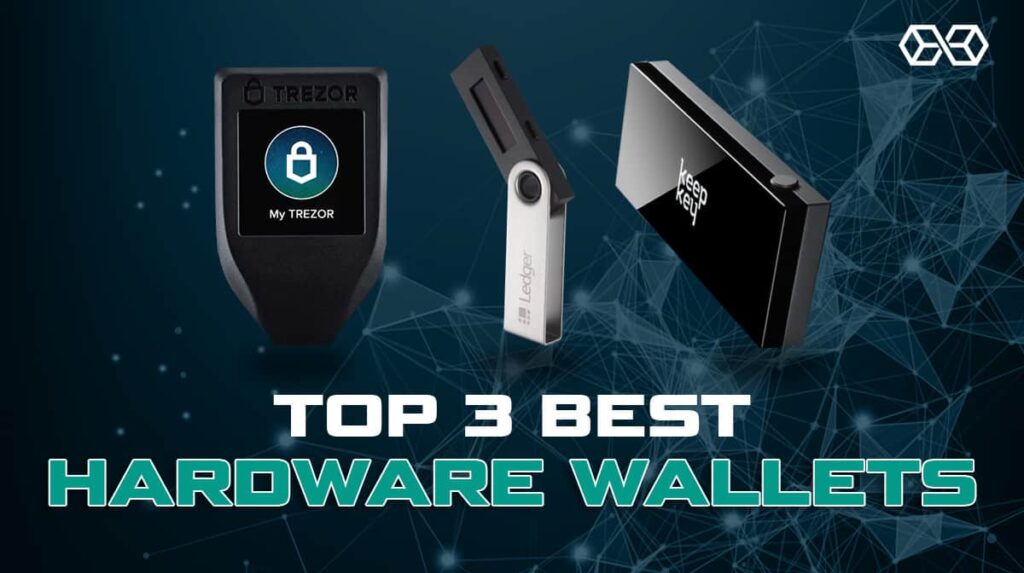
The Ledger Nano X is one of the most popular hardware wallets, known for its robust security features and user-friendly design. It supports over 1,800 cryptocurrencies and offers Bluetooth connectivity for mobile use.
- Security: The device uses a secure element chip (CC EAL5+ certified) to safeguard your private keys.
- Features: Bluetooth connectivity, a larger screen compared to its predecessor, the Nano S, and support for multiple cryptocurrencies.
- Pros: High security, easy-to-use interface, and mobile compatibility.
- Cons: Bluetooth functionality may raise security concerns for some users, and it is more expensive than the Nano S.
Trezor Model T
The Trezor Model T is another top contender in the hardware wallet market, offering advanced security features and a touch-screen interface that simplifies navigation.
- Security: Boasts a secure chip and provides a passphrase feature for added protection.
- Features: Touch-screen display, support for over 1,000 cryptocurrencies, and integration with popular wallets like MyEtherWallet and Electrum.
- Pros: High security, user-friendly touch interface, and wide currency support.
- Cons: Higher price point compared to other models and lacks Bluetooth connectivity.
KeepKey
KeepKey is a stylish and secure hardware wallet that offers an easy-to-use interface and integration with the ShapeShift platform for seamless asset exchange.
- Security: Features a robust security model with a PIN protection and recovery sentence.
- Features: Large display for easy transaction verification, integration with ShapeShift, and support for a range of cryptocurrencies.
- Pros: Attractive design, ease of use, and in-built exchange capabilities.
- Cons: Limited currency support compared to competitors and larger size can be less portable.
BitBox02
The BitBox02 is a compact and secure hardware wallet that emphasizes user privacy and open-source software, making it a favorite among tech-savvy users.
- Security: Offers a dual-chip architecture and is entirely open-source, allowing for community verification of its security.
- Features: Compact design, touch slider for navigation, and support for Bitcoin, Ethereum, and ERC-20 tokens.
- Pros: Strong focus on privacy, open-source, and features like plug-and-play usability.
- Cons: Limited currency support and less established brand compared to Ledger or Trezor.
Choosing the Right Hardware Wallet for You
Selecting the right hardware wallet depends on your specific needs and security preferences. Here are some factors to consider:
- Security Features: Look for wallets with robust security elements, such as secure chips and passphrase options.
- Supported Cryptocurrencies: Ensure the wallet supports the cryptocurrencies you hold or plan to hold.
- User Interface: Consider whether you prefer a touch-screen, physical buttons, or a minimalist interface.
- Portability: If you need to manage your assets on the go, prioritize a wallet that offers Bluetooth or mobile app integration.
- Price: Determine your budget and balance it with the features and security offered by the wallet.
Setting Up Your Hardware Wallet
Once you’ve selected a hardware wallet, setting it up is straightforward. Here are the general steps:
- Unbox and Connect: Unbox your wallet and connect it to your computer or mobile device using the provided cable or Bluetooth.
- Download the App: Download the official app or software associated with your wallet to manage your assets.
- Initialize the Wallet: Follow the on-screen instructions to set up a PIN and generate your recovery seed. This seed is crucial for accessing your funds if the device is lost or damaged.
- Secure Your Recovery Seed: Write down your recovery seed on the provided card and store it in a safe place. Never share it with anyone.
- Add Cryptocurrencies: Use the app to add and manage the cryptocurrencies you want to store on your wallet.
Maintaining Your Hardware Wallet
To ensure the longevity and security of your hardware wallet, follow these maintenance tips:
- Regular Updates: Keep your wallet’s firmware updated to protect against any vulnerabilities.
- Backup Your Recovery Seed: Regularly check that your recovery seed is secure and accessible.
- Use Official Software: Only use the official software or apps provided by the manufacturer to manage your wallet.
- Protect Your PIN: Choose a strong PIN and avoid sharing it or writing it down.
Conclusion
In the world of cryptocurrency, securing your assets is of utmost importance. Hardware wallets provide a reliable and secure solution, keeping your private keys offline and safe from digital threats. By choosing the right hardware wallet for your needs and maintaining it properly, you can confidently manage your cryptocurrency portfolio. Whether you’re new to the crypto space or a seasoned investor, investing in a top-rated hardware wallet is a prudent step towards safeguarding your digital wealth.
#ChatGPT assisted in the creation of this article.