Introduction
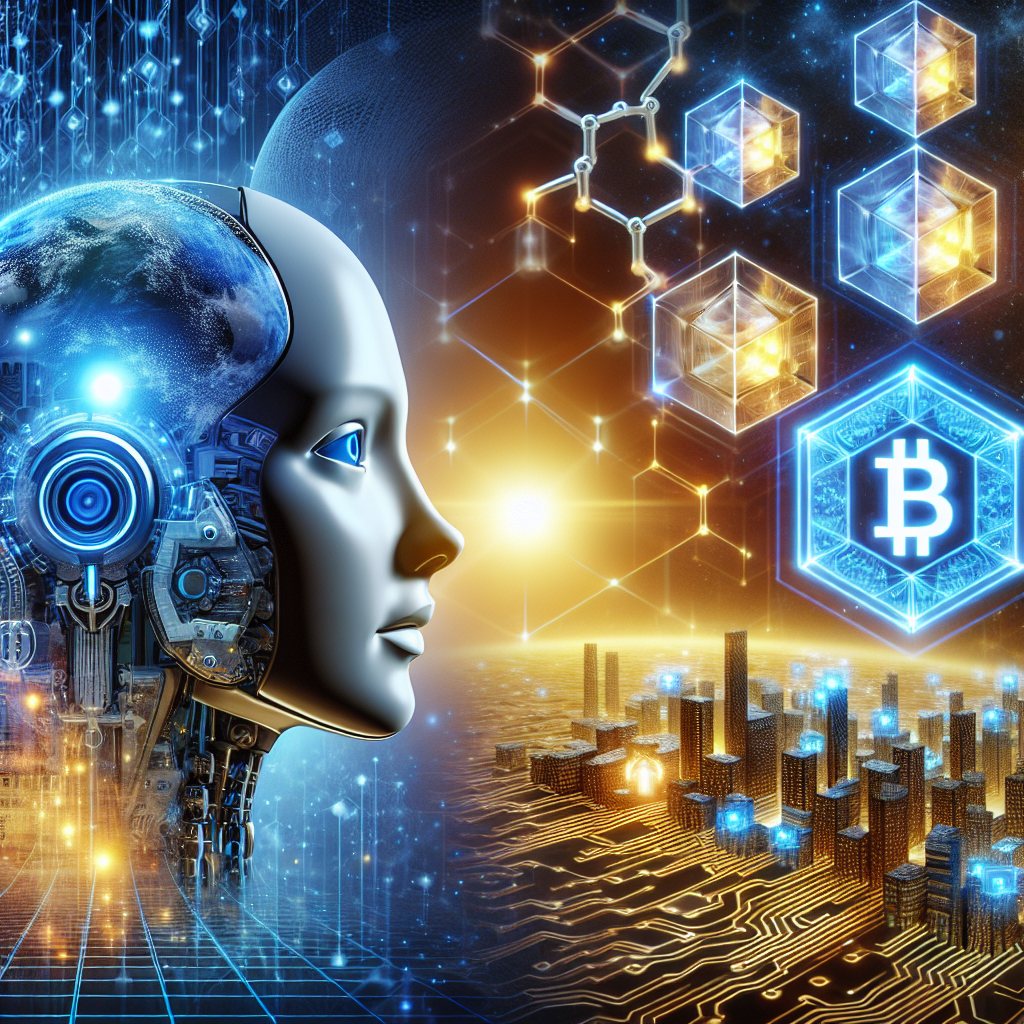
In the rapidly evolving landscape of technology, three paradigms have emerged as pivotal catalysts in redefining digital interaction: Artificial Intelligence (AI), the Metaverse, and Blockchain. Each of these technologies individually holds transformative potential, but together, they represent a triad with the capacity to revolutionize how we interact digitally. This article delves into how these technologies are converging to reshape digital experiences and create a new frontier in human-computer interaction.
Understanding the Building Blocks
Artificial Intelligence
Artificial Intelligence has transcended its role as a mere technological tool to become an integral component of modern digital ecosystems. At its core, AI refers to the simulation of human intelligence processes by machines, especially computer systems. These processes include learning, reasoning, problem-solving, perception, and language understanding. AI’s ability to analyze vast amounts of data, identify patterns, and make decisions has made it indispensable across various industries, from healthcare and finance to entertainment and education.
The Metaverse
The Metaverse is a collective virtual shared space, created by the convergence of virtually enhanced physical reality and physically persistent virtual spaces. It encompasses augmented reality (AR), virtual reality (VR), and the internet. In essence, the Metaverse is a digital universe that exists parallel to our physical world, where users can interact with a computer-generated environment and other users in real-time. This immersive digital realm offers unprecedented opportunities for social interaction, work, play, and commerce.
Blockchain Technology
Blockchain is a decentralized digital ledger that records transactions across multiple computers. This technology ensures that the recorded entries are secure and cannot be altered retroactively. Each transaction is recorded in a “block” and added to a chain of previous transactions, hence the name “blockchain.” Blockchain is the underlying technology for cryptocurrencies like Bitcoin and Ethereum, but its applications extend far beyond digital currencies. It offers potential solutions for secure data exchange, transparency, and trust in various sectors.
The Convergence of AI, Metaverse, and Blockchain
Enhancing User Experiences
The integration of AI into the Metaverse is transforming how users experience virtual environments. AI algorithms can personalize user experiences by analyzing behavior and preferences, thus creating more engaging and tailored interactions. For instance, AI-driven avatars can adapt to user emotions and actions, making social interactions within the Metaverse more lifelike. Furthermore, AI can facilitate natural language processing, allowing users to communicate seamlessly with AI entities within these digital realms.
Creating Secure and Trustworthy Digital Spaces
Blockchain technology plays a crucial role in establishing trust and security within the Metaverse. By utilizing blockchain’s decentralized nature, digital interactions can be recorded transparently and immutably. This is pivotal in environments where users engage in transactions, whether it be buying virtual goods, trading assets, or participating in virtual economies. Blockchain ensures that these transactions are secure and verifiable, reducing the risk of fraud and enhancing user confidence.
Facilitating Digital Economies
The fusion of blockchain and the Metaverse is paving the way for robust digital economies. Virtual worlds can host entire economies with their own currencies, marketplaces, and financial systems. Blockchain provides the infrastructure for these economies to function efficiently and securely. Cryptocurrencies and non-fungible tokens (NFTs) are becoming integral to transactions within the Metaverse, enabling users to own, trade, and monetize digital assets. This not only empowers creators and users but also opens new avenues for investment and financial growth.
Challenges and Opportunities
Overcoming Technological Barriers
While the convergence of AI, the Metaverse, and blockchain holds immense promise, it also presents significant challenges. One of the primary hurdles is the technological infrastructure required to support these complex systems. High bandwidth, low latency, and robust computing power are essential for delivering seamless experiences in immersive digital environments. As technology advances, overcoming these barriers will be crucial to realizing the full potential of this convergence.
Ensuring Privacy and Ethical Use
The integration of AI and blockchain in digital spaces raises important questions about privacy and ethics. With AI collecting vast amounts of data to personalize experiences, safeguarding user privacy becomes paramount. Blockchain can provide solutions for secure data storage and sharing, but ethical considerations must guide its implementation. Additionally, as virtual worlds become more sophisticated, ensuring that AI systems operate ethically and transparently is crucial to prevent misuse and protect user rights.
The Future of Digital Interaction
As AI, the Metaverse, and blockchain continue to evolve, the future of digital interaction is poised for transformative change. The potential applications of these technologies are limitless, from revolutionizing education and healthcare to redefining entertainment and social interaction. The convergence of these technologies has the power to bridge the gap between the physical and digital worlds, creating new opportunities for connection, creativity, and commerce.
Conclusion
The convergence of AI, the Metaverse, and blockchain represents a paradigm shift in how we interact digitally. By enhancing user experiences, creating secure and trustworthy digital spaces, and facilitating digital economies, these technologies are reshaping the digital landscape. While challenges remain, the opportunities for innovation and growth are boundless. As we navigate this new frontier, it is essential to consider the ethical and technological implications to ensure that the future of digital interaction is inclusive, secure, and beneficial for all.
#ChatGPT assisted in the creation of this article.