As the world of cryptocurrencies continues to expand, so too does the sophistication and frequency of cyber threats targeting digital assets. Protecting these assets is paramount, and one of the most effective ways to enhance security is through Two-Factor Authentication (2FA). This article delves into the importance of 2FA in the realm of cryptocurrency, how it works, and best practices for implementation.
Understanding Two-Factor Authentication
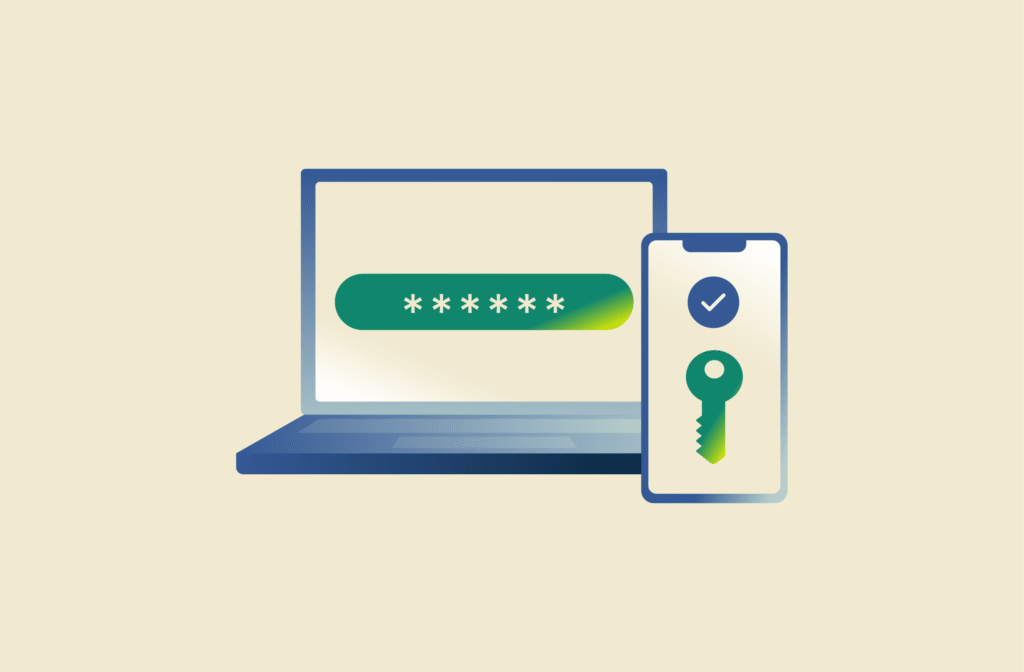
Two-Factor Authentication is a security mechanism that requires two distinct forms of identification before granting access to an account. This typically involves something you know (a password) and something you have (a mobile device or hardware token). By adding an additional layer of security, 2FA significantly reduces the risk of unauthorized access.
The Importance of 2FA in Cryptocurrency
Cryptocurrency accounts are lucrative targets for cybercriminals due to their value and the irreversibility of transactions. Once assets are transferred out of a wallet, they are difficult, if not impossible, to recover. Implementing 2FA helps protect these accounts by ensuring that even if a password is compromised, an additional verification step is required to access the account.
Protection Against Phishing
Phishing attacks, where attackers trick users into providing their credentials, are prevalent in the crypto space. 2FA acts as a robust defense against such attacks. Even if a user inadvertently shares their password, the attacker cannot access the account without the second authentication factor.
Mitigating Risks of Data Breaches
Data breaches at exchanges or other platforms can expose user credentials. 2FA mitigates this risk by ensuring that compromised passwords alone are insufficient for account access. This additional security layer is crucial for safeguarding assets in the event of a breach.
How 2FA Works
2FA can be implemented in various ways, each offering different levels of security and convenience. Here are some common methods:
SMS-Based 2FA
SMS-based 2FA sends a one-time code to the user’s registered mobile number. While widely used, it is less secure than other methods due to vulnerabilities like SIM-swapping attacks, where attackers hijack the user’s phone number to intercept messages.
App-Based Authentication
Authentication apps like Google Authenticator or Authy generate time-based one-time passwords (TOTPs). These apps offer a higher level of security than SMS-based 2FA, as they are not reliant on network carriers and are less susceptible to interception.
Hardware Tokens
Hardware tokens, such as YubiKeys, provide a physical form of authentication. These devices generate unique codes or utilize near-field communication (NFC) to authenticate users. Hardware tokens are highly secure as they require physical possession to access accounts.
Implementing 2FA for Cryptocurrency Accounts
Implementing 2FA for cryptocurrency accounts involves several steps to ensure maximum protection. Here’s a guide to help you get started:
Choose the Right 2FA Method
Select the 2FA method that best suits your needs. While SMS-based 2FA is convenient, app-based or hardware token options provide enhanced security. Consider the sensitivity of your assets and your personal risk tolerance when making this decision.
Enable 2FA on All Accounts
Ensure that 2FA is enabled on all platforms where you manage your cryptocurrency assets, including exchanges, wallets, and any related services. This comprehensive approach minimizes vulnerabilities across the board.
Secure Your Backup Codes
When setting up 2FA, you will typically receive backup codes to use in case you lose access to your authentication device. Store these codes securely offline, such as in a safe or password manager, to prevent unauthorized access.
Regularly Update and Monitor
Regularly review your 2FA settings and update them as necessary. Monitor your accounts for any suspicious activity and be proactive in addressing potential security threats. Staying vigilant is key to maintaining robust security.
Best Practices for Enhanced Security
Beyond implementing 2FA, there are additional practices that can further strengthen the security of your cryptocurrency accounts:
Use Strong, Unique Passwords
Ensure that all passwords are strong and unique for each account. Avoid using easily guessed passwords or reusing them across different platforms. Password managers can help generate and store complex passwords securely.
Keep Software and Devices Updated
Regularly update your operating system, software, and authentication apps to the latest versions. These updates often include critical security patches that protect against vulnerabilities.
Enable Account Alerts
Many platforms offer account alerts for suspicious activities, such as login attempts from unfamiliar devices. Enable these alerts to receive real-time notifications and take immediate action if necessary.
Be Cautious of Phishing Attempts
Always verify the authenticity of websites and emails before entering your credentials. Be wary of unsolicited communications, and never click on links or download attachments from unknown sources.
Conclusion
In the ever-evolving landscape of cryptocurrency, securing your digital assets is more important than ever. Two-Factor Authentication serves as a crucial line of defense against unauthorized access and cyber threats. By understanding the various 2FA methods, implementing them across all accounts, and adhering to best security practices, you can significantly enhance the protection of your cryptocurrency assets. Stay vigilant, stay informed, and keep your investments secure.