In an increasingly digital world, the security of online transactions and digital assets is paramount. Multi-signature (multi-sig) technology has emerged as a powerful tool for enhancing security by requiring multiple approvals before executing a transaction. This guide delves into the workings of multi-sig, its benefits, challenges, and implementation strategies.
What is Multi-Sig?
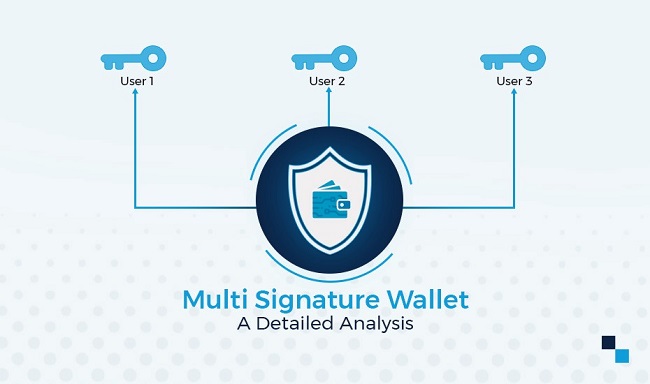
Multi-signature technology refers to a digital signature scheme that allows multiple parties to sign a document or a transaction. In traditional digital transactions, a single private key is used to authorize a transaction. Multi-sig, however, requires a subset of a group of keys to authorize it. This “M-of-N” setup means that a specified minimum number (M) of a total number of participants (N) must agree before a transaction can be executed.
How Multi-Sig Works
At its core, multi-sig involves creating a wallet that is governed by multiple keys. For instance, a 2-of-3 multi-sig wallet might involve three keys, of which any two are required to authorize a transaction. This configuration can be tailored to suit different security needs, such as 3-of-5, 4-of-7, etc.
Benefits of Using Multi-Sig
Multi-sig offers several advantages that make it an attractive option for securing digital transactions and assets:
Enhanced Security
Multi-sig significantly reduces the risk of unauthorized access or theft. Since multiple signatures are required to complete a transaction, a single compromised key is insufficient to approve unauthorized transactions.
Decentralization
By distributing control over multiple keys, multi-sig promotes decentralization and prevents single points of failure. This makes it harder for attackers to gain control over funds.
Flexibility
Multi-sig allows for customizable security policies. Organizations can tailor their security requirements by choosing how many signatures are needed and who holds the keys.
Accountability
Multi-sig provides a clear audit trail, as each party involved in a transaction must sign it. This creates a transparent record of who authorized each transaction.
Common Use Cases for Multi-Sig
Multi-sig is employed across various scenarios to improve security and trust:
Cryptocurrency Wallets
In the realm of cryptocurrencies, multi-sig wallets are widely used to protect digital assets. They ensure that multiple parties, such as co-founders or board members, must authorize transactions, reducing the risk of fraud.
Escrow Services
Multi-sig is ideal for escrow services, where funds are held in a multi-sig wallet until all parties agree to release them. This ensures secure and fair transactions.
Joint Accounts
Multi-sig is perfect for joint accounts, whether personal or business-related. It ensures that decisions about fund usage are agreed upon by multiple stakeholders.
Implementing Multi-Sig: Key Considerations
While multi-sig offers numerous benefits, its implementation requires careful planning:
Choosing the Right Configuration
Determine the appropriate multi-sig configuration based on your security needs. Consider factors such as the number of participants, risk tolerance, and the value of assets being protected.
Key Management
Effective key management is crucial for multi-sig security. It’s essential to ensure that the keys are stored securely and that access is restricted to authorized parties only.
Backup and Recovery
Implement a robust backup and recovery plan for your keys. Losing access to the required number of keys can result in the permanent loss of assets.
Legal and Compliance Considerations
Depending on your jurisdiction, there may be legal and regulatory considerations when implementing multi-sig. Ensure compliance with relevant laws and regulations.
Challenges and Limitations
Multi-sig is not without its challenges:
Complexity
Setting up and managing multi-sig wallets can be more complex than traditional single-key wallets. This complexity may require additional resources and expertise.
Coordination
Coordinating the actions of multiple parties can be challenging, especially in situations where quick decisions are needed.
Potential for Key Loss
The requirement for multiple keys increases the risk of key loss. If keys are lost and backups are not available, assets can become irretrievable.
Best Practices for Multi-Sig Security
To maximize the effectiveness of multi-sig, consider these best practices:
Regular Audits
Conduct regular security audits to ensure that your multi-sig setup remains secure and that all parties adhere to security protocols.
Education and Training
Provide education and training to all parties involved in managing multi-sig wallets. Ensure they understand the importance of security and their role in the process.
Layered Security
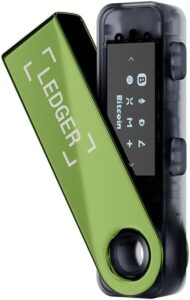
Implement additional security measures, such as two-factor authentication (2FA) and hardware wallets, to further protect your assets.
Clear Communication
Establish clear communication channels and protocols for handling transactions. Ensure that all parties are informed and coordinated.
Conclusion
Multi-signature technology is a powerful tool for enhancing the security of digital transactions and assets. By distributing control and requiring multiple approvals, multi-sig reduces the risk of unauthorized access and fraud. However, its implementation requires careful planning, effective key management, and coordination among participants.
As digital security challenges continue to evolve, multi-sig stands as a robust solution for organizations and individuals seeking to safeguard their assets. By understanding its benefits, challenges, and best practices, you can harness the full potential of multi-sig to enhance your security posture in the digital age.