Introduction
The entertainment industry is no stranger to technological evolution. From the advent of cinema and television to the rise of the internet and streaming services, each technological leap has transformed how we consume entertainment. Today, we stand at the cusp of another revolution, driven by blockchain technology. Particularly, blockchain gaming is poised to redefine the entertainment landscape. As the lines between gaming, finance, and digital ownership blur, blockchain gaming offers a glimpse into the future of interactive entertainment.
The Rise of Blockchain Gaming
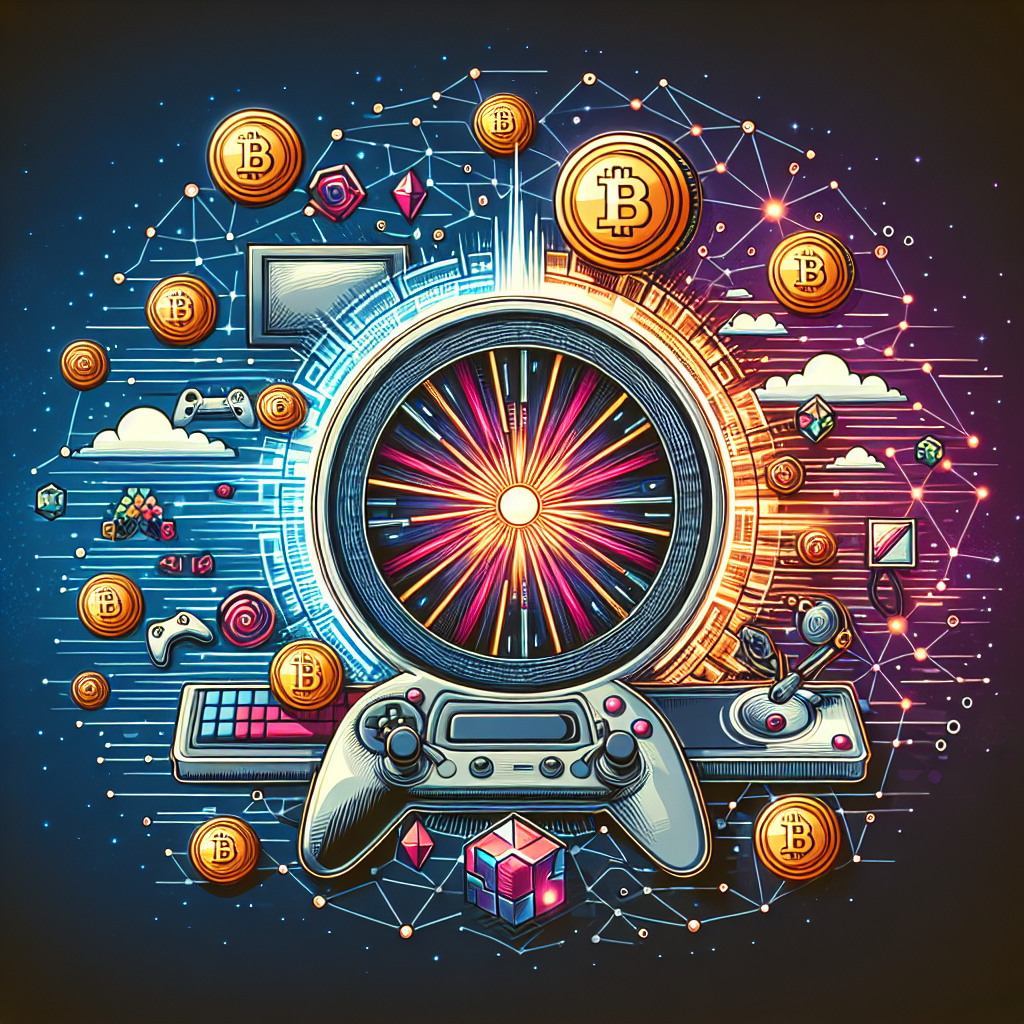
Blockchain gaming represents a fusion of blockchain technology and video gaming. At its core, this innovation leverages decentralized networks to offer gamers unprecedented control and ownership over their in-game assets. Traditional gaming models have long restricted players to a closed ecosystem where digital assets are non-transferable and ultimately owned by the game developers. Blockchain gaming disrupts this paradigm by introducing a decentralized model where players truly own their in-game items.
One of the pioneering concepts in blockchain gaming is the Non-Fungible Token (NFT). NFTs are unique digital assets verified on the blockchain, ensuring their scarcity, provenance, and ownership. This concept has already captivated audiences worldwide, with games like “CryptoKitties” and “Axie Infinity” demonstrating the potential of NFT-based gaming models.
Decentralization and True Ownership
The traditional gaming industry operates on centralized platforms where game developers and publishers have complete control over the game’s ecosystem. Players, while engaging deeply with these games, often have limited rights over their digital assets. Blockchain gaming flips this model by allowing players to own, trade, and monetize their in-game items through NFTs. This decentralization empowers players and creates a new economic model where value is transferred directly between participants without intermediaries.
Moreover, blockchain technology ensures transparency and security in transactions, fostering a trustless environment where players can engage in peer-to-peer trading without fear of fraud. The immutable nature of the blockchain guarantees that ownership records cannot be altered, providing players with genuine control over their digital assets.
Economic Opportunities
Blockchain gaming is not just about entertainment; it’s about creating new economic opportunities. The play-to-earn (P2E) model has gained significant traction, offering players the chance to earn real-world value through their gaming activities. By participating in blockchain games, players can accumulate NFTs and cryptocurrencies, which can be traded or sold on various marketplaces for fiat currency.
This economic model has profound implications, particularly in regions with limited access to traditional employment opportunities. In countries like the Philippines, for instance, blockchain games like “Axie Infinity” have become a source of income for many individuals, allowing them to earn a sustainable livelihood through gaming.
Tokenomics and Game Design
The integration of blockchain technology into gaming introduces the concept of tokenomics, which refers to the economic model behind the in-game currency and assets. Game developers must carefully design the tokenomics to ensure a balanced and sustainable ecosystem. This includes considerations such as token supply, distribution, and utility within the game.
Tokenomics adds a layer of complexity to game design, as developers must create engaging gameplay experiences while maintaining a stable in-game economy. The challenge lies in balancing the incentives for both players and developers, ensuring that the game remains enjoyable and economically viable in the long term.
Challenges and Obstacles
Despite its potential, blockchain gaming faces several challenges that must be addressed for widespread adoption. One of the primary obstacles is scalability. Current blockchain networks, such as Ethereum, often experience congestion and high transaction fees, which can hinder the seamless experience that gamers expect. However, solutions like layer-2 scaling and alternative blockchain platforms are being developed to address these issues.
Another challenge is the complexity of blockchain technology itself. For mainstream adoption, it is essential to create user-friendly interfaces and experiences that do not require players to have an in-depth understanding of blockchain mechanics. Simplifying the onboarding process and reducing friction in transactions will be crucial in attracting a broader audience to blockchain gaming.
Regulatory Considerations
As blockchain gaming continues to grow, regulatory considerations will play a significant role in shaping its future. The intersection of gaming, finance, and digital assets raises questions about taxation, intellectual property rights, and consumer protection. Governments and regulatory bodies around the world are grappling with how to classify and regulate these new forms of digital entertainment.
Developers and platforms must navigate this evolving regulatory landscape to ensure compliance while fostering innovation. Collaborative efforts between industry stakeholders and regulators will be essential in establishing a framework that balances innovation with consumer protection and legal standards.
Innovative Use Cases and Future Possibilities
Blockchain gaming is still in its nascent stages, and the potential for innovation is vast. Beyond the current models, several emerging trends and use cases are worth exploring:
Interoperability
Interoperability refers to the ability of different blockchain games to interact with each other, allowing players to transfer assets seamlessly between games. This concept opens up exciting possibilities for cross-game collaborations and shared universes, where players can use their assets across multiple gaming experiences.
Decentralized Autonomous Organizations (DAOs)
DAOs are community-driven organizations that operate on the blockchain, allowing players to participate in decision-making processes related to game development and governance. This shifts power from centralized entities to the players themselves, fostering a sense of community ownership and involvement.
Virtual Reality and Augmented Reality Integration
The integration of blockchain gaming with virtual reality (VR) and augmented reality (AR) technologies has the potential to create immersive and interactive experiences like never before. Imagine a virtual world where players can not only own and trade digital assets but also experience them in a fully immersive environment.
Conclusion
Blockchain gaming represents a revolutionary shift in the entertainment industry, offering players true ownership, economic opportunities, and innovative experiences. While challenges remain, the potential for blockchain technology to reshape the gaming landscape is undeniable. As developers, players, and regulators navigate this evolving ecosystem, the future of blockchain gaming holds promise for a more decentralized, inclusive, and engaging world of entertainment.
The journey of blockchain gaming is just beginning, and its impact on the broader entertainment industry will be profound. As technology continues to advance, we can expect to see even more groundbreaking innovations that push the boundaries of what is possible in the world of gaming and beyond. The future of entertainment is decentralized, and blockchain gaming is leading the way.
#ChatGPT assisted in the creation of this article.