“`html
Introduction
The digital landscape is rapidly evolving, with Non-Fungible Tokens (NFTs) becoming a cornerstone of the digital economy. NFTs represent unique digital assets that can be anything from art and music to in-game items and domain names. As the popularity of NFTs continues to surge, so does the importance of secure trading practices. The decentralized nature of blockchain technology offers robust security features, but the human element remains a significant vulnerability. This article aims to provide comprehensive insights into mastering secure NFT trading, ensuring both privacy and asset protection.
Understanding the Basics of NFT Security
Before diving into the intricacies of secure trading, it’s essential to understand the basic security architecture of NFTs. NFTs are typically stored on a blockchain, which is inherently secure due to its decentralized nature and cryptographic protocols. However, the interfaces and platforms used for trading NFTs can introduce vulnerabilities.
Blockchain Security
Blockchain technology is renowned for its transparency and immutability. Each transaction is recorded on a public ledger, making it nearly impossible to alter without consensus from the network. This provides a secure foundation for NFTs, as each token’s provenance and ownership history are verifiable.
Smart Contracts
NFTs rely on smart contracts—self-executing contracts with the terms of the agreement directly written into code. Smart contracts automate the transfer of ownership and ensure that once an NFT is sold, it’s transferred to the buyer. Ensuring these contracts are well-audited and free from vulnerabilities is critical for secure trading.
Choosing a Secure Marketplace
Selecting a reputable and secure marketplace is the first step towards safeguarding your NFT transactions. Marketplaces like OpenSea, Rarible, and Foundation have emerged as popular platforms, but it’s crucial to conduct due diligence before engaging in any transactions.
Reputation and Trustworthiness
Research the marketplace’s history, user reviews, and any reported security incidents. A marketplace with a solid reputation and a track record of resolving disputes fairly can offer peace of mind.
Security Features
Evaluate the security measures implemented by the marketplace. Features such as two-factor authentication (2FA), secure wallet integrations, and encryption protocols are indicators of a platform’s commitment to security.
Wallet Security
NFTs are stored in digital wallets, making wallet security paramount. The choice between hot wallets (online) and cold wallets (offline) can significantly impact security.
Hot vs. Cold Wallets
– **Hot Wallets:** These are connected to the internet and offer convenience for frequent trading. However, they are more vulnerable to hacking attempts. Examples include MetaMask and Trust Wallet.
– **Cold Wallets:** These are offline and provide a higher level of security. They are ideal for storing valuable NFTs long-term. Examples include hardware wallets like Ledger and Trezor.
Secure Your Seed Phrase
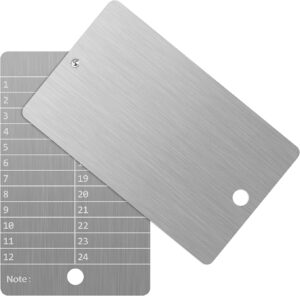
Your wallet’s seed phrase is the key to accessing your NFTs. It’s critical to store it securely, preferably offline, and never share it with anyone. Using a password manager or writing it down and storing it in a secure location are advisable practices.
Ensuring Transaction Security
Every transaction involving NFTs requires careful attention to detail to prevent scams and errors.
Verify Smart Contract Addresses
Always verify the smart contract address before initiating a transaction. Scammers often create fake contracts with subtle differences to trick users into sending their NFTs or funds to the wrong address.
Use Trusted Links
Only use trusted links to access NFT marketplaces and wallets. Phishing attacks are rampant in the crypto space, and malicious actors often create fake websites that mimic legitimate platforms.
Double-Check Transaction Details
Before confirming any transaction, double-check all details, including the recipient address and the token ID. Mistakes can be costly and irreversible.
Privacy Considerations
While blockchain technology provides transparency, it can also inadvertently expose user privacy. Taking steps to protect your anonymity is essential.
Use Pseudonymous Identities
Consider using pseudonymous identities when engaging in NFT trading. This can help decouple your real identity from your blockchain activities, enhancing privacy.
Leverage Privacy Tools
Explore privacy-focused tools and services that can obfuscate your trading activities. Tools like mixers or privacy-focused blockchains can help protect your identity and transaction history.
Staying Informed and Vigilant
The NFT space is dynamic, with new threats and vulnerabilities emerging regularly. Staying informed and maintaining vigilance is crucial for secure trading.
Keep Up with Security News
Follow reputable sources for the latest news on blockchain security and NFT-related threats. This knowledge can help you anticipate and mitigate potential risks.
Engage with the Community
Join NFT communities and forums to learn from experienced traders and security experts. Sharing knowledge and experiences can enhance collective security awareness.
Conclusion
Mastering secure NFT trading requires a proactive approach to security and privacy. By understanding the inherent security features of blockchain technology, choosing reputable marketplaces, securing your digital wallets, ensuring transaction accuracy, and maintaining privacy, you can significantly reduce the risks associated with NFT trading. As the NFT ecosystem evolves, continuous learning and vigilance will be essential to protect your digital assets and enjoy a safe trading experience.
“`
#ChatGPT assisted in the creation of this article.