In the rapidly evolving landscape of digital security, the need for innovative methods to protect sensitive information has never been greater. As cyber threats become more sophisticated, traditional security measures often fall short. Enter Zero Knowledge Proofs (ZKPs), a cryptographic breakthrough that promises to revolutionize how we approach security and privacy in the digital realm. This article delves into the concept of Zero Knowledge Proofs, exploring their mechanisms, applications, and potential to transform digital security.
What are Zero Knowledge Proofs?
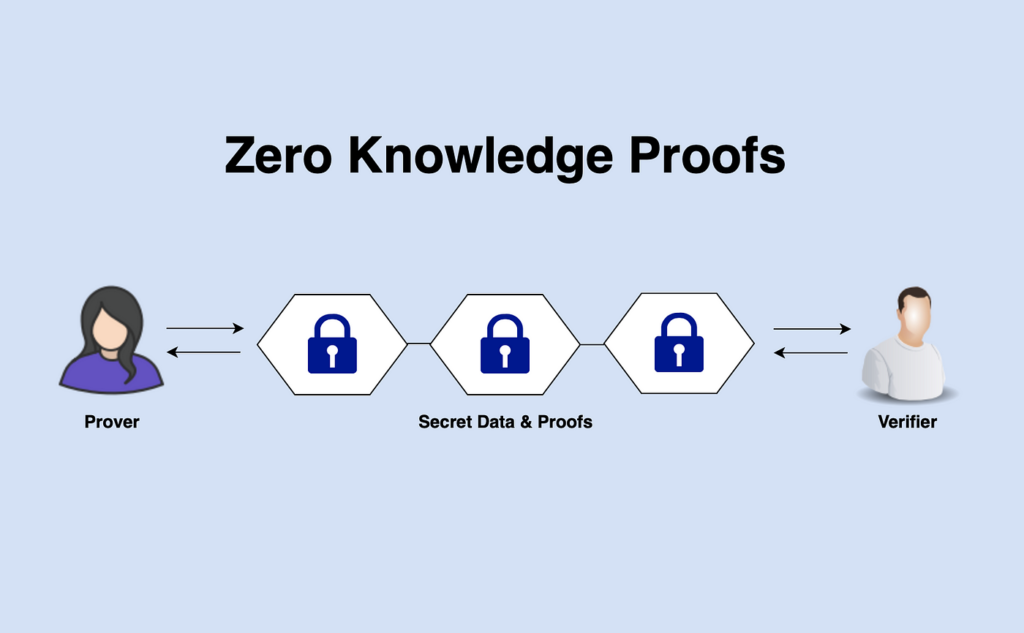
Zero Knowledge Proofs are cryptographic protocols that enable one party, the prover, to demonstrate to another party, the verifier, that a statement is true without revealing any additional information beyond the validity of the statement itself. The concept was first introduced in the 1980s by Shafi Goldwasser, Silvio Micali, and Charles Rackoff, and has since become a cornerstone of modern cryptography.
At its core, a Zero Knowledge Proof must satisfy three key properties:
- Completeness: If the statement is true, an honest prover can convince an honest verifier of its truth.
- Soundness: If the statement is false, no deceitful prover can convince an honest verifier that it is true, except with some small probability.
- Zero Knowledge: If the statement is true, the verifier learns nothing beyond the fact that the statement is true.
Types of Zero Knowledge Proofs
Interactive Zero Knowledge Proofs
Interactive Zero Knowledge Proofs involve multiple rounds of interaction between the prover and the verifier. During these interactions, the prover provides evidence that the statement is true, while the verifier checks the evidence without gaining any additional information. This type of proof is highly secure but can be cumbersome due to the need for multiple exchanges between the parties involved.
Non-Interactive Zero Knowledge Proofs
Non-Interactive Zero Knowledge Proofs (NIZK) eliminate the need for back-and-forth communication between the prover and verifier. Instead, the proof is generated in a single step and can be verified by anyone at any time. NIZKs are particularly useful in scenarios where interaction is impractical, such as in blockchain technology and distributed systems.
Applications of Zero Knowledge Proofs
Blockchain and Cryptocurrencies
One of the most promising applications of Zero Knowledge Proofs is in the realm of blockchain technology and cryptocurrencies. ZKPs can enhance the privacy and scalability of blockchain networks by allowing transactions to be verified without revealing the details to all network participants. Projects like Zcash and Ethereum are already exploring the use of ZKPs to enable private transactions and smart contracts.
Authentication Systems
Zero Knowledge Proofs have the potential to revolutionize authentication systems by enabling passwordless authentication. Users can prove their identity without transmitting sensitive information, reducing the risk of data breaches and identity theft. This approach can be particularly advantageous in environments where security is paramount, such as financial institutions and government agencies.
Secure Multi-Party Computation
Secure Multi-Party Computation (SMPC) allows multiple parties to jointly compute a function over their inputs while keeping those inputs private. Zero Knowledge Proofs can be integrated into SMPC protocols to ensure that the computation process is both correct and confidential. This application is particularly relevant in scenarios where sensitive data needs to be processed collaboratively, such as in medical research or financial analysis.
Challenges and Limitations
While Zero Knowledge Proofs offer significant advantages in terms of privacy and security, they are not without challenges. One of the primary concerns is the computational complexity and resource requirements associated with generating and verifying proofs. As the size of the statements and the complexity of the underlying algorithms increase, so does the computational burden.
Additionally, the implementation of Zero Knowledge Proofs requires careful consideration of the underlying cryptographic assumptions. Any weaknesses in these assumptions can compromise the security of the entire system. Moreover, the adoption of ZKPs in real-world applications is still in its nascent stages, and widespread deployment will require extensive research, development, and standardization.
The Future of Zero Knowledge Proofs
Despite these challenges, the potential of Zero Knowledge Proofs to transform digital security is undeniable. As research in this area continues to advance, we can expect to see more efficient and scalable implementations of ZKPs. The integration of machine learning and other emerging technologies could further enhance the capabilities of Zero Knowledge Proofs, opening up new possibilities for secure and private digital interactions.
Moreover, the increasing demand for privacy-preserving technologies in various industries is likely to accelerate the adoption of Zero Knowledge Proofs. As individuals and organizations become more aware of the importance of protecting their digital assets and personal information, ZKPs will play a crucial role in safeguarding privacy and ensuring trust in the digital age.
Conclusion
Zero Knowledge Proofs represent a groundbreaking advancement in the field of cryptography, offering a powerful tool for enhancing privacy and security in the digital world. By enabling the verification of information without revealing the information itself, ZKPs provide a robust solution to many of the challenges faced by traditional security measures.
As the digital landscape continues to evolve, the importance of Zero Knowledge Proofs will only grow. From blockchain technology to authentication systems and beyond, ZKPs have the potential to revolutionize the way we think about security and privacy. By understanding and harnessing the power of Zero Knowledge Proofs, we can build a more secure and privacy-conscious future for all.