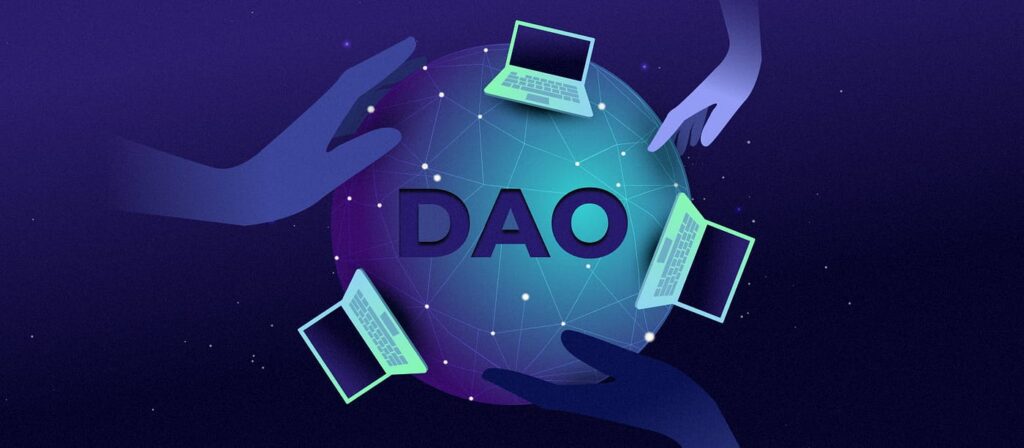
The advent of decentralized autonomous organizations (DAOs) marks a pivotal transition in the digital landscape, particularly in the context of Web3. DAOs represent a shift from traditional centralized governance systems towards decentralized, community-driven approaches. As we stand on the threshold of this new era, it is crucial to explore how DAOs are redefining the future of Web3 and the potential they hold for various sectors.
The Core Principles of DAOs
DAOs operate on a set of core principles that distinguish them from conventional organizational structures. At their heart, DAOs prioritize decentralization, transparency, and community governance. These organizations leverage blockchain technology to facilitate decision-making processes, allowing stakeholders to participate directly in governance without the need for intermediaries.
Decentralization
Decentralization is fundamental to the operation of DAOs. Unlike traditional organizations that rely on hierarchical structures, DAOs distribute power among their members. This distribution is achieved through smart contracts, which automate processes and enforce rules without requiring centralized control.
Transparency
Transparency is another cornerstone of DAOs. All transactions and decisions are recorded on the blockchain, providing an immutable and publicly accessible ledger. This transparency builds trust among participants, as everyone can verify actions and outcomes independently.
Community Governance
Community governance is perhaps the most defining feature of DAOs. Members of a DAO can propose, discuss, and vote on changes or initiatives. This participatory approach empowers individuals, fostering a sense of ownership and responsibility within the community.
The Role of DAOs in the Web3 Ecosystem
In the context of Web3, DAOs serve as the backbone for a more open and inclusive internet. Web3, characterized by decentralized networks and applications, aims to return control to users rather than centralized entities. DAOs play a critical role in this transformation by facilitating decentralized decision-making and resource allocation.
Decentralized Finance (DeFi)
One of the most significant areas where DAOs are making an impact is in decentralized finance (DeFi). DAOs manage various DeFi protocols, overseeing the allocation of funds, governance of projects, and implementation of upgrades. This decentralized approach enhances innovation and reduces the risk of centralized manipulation.
Decentralized Autonomous Organizations in Social Networks
DAOs are also influencing the development of decentralized social networks. By enabling community-driven content moderation and governance, DAOs can create platforms that prioritize user preferences and ensure freedom of expression. This stands in contrast to traditional social media platforms, which often face criticism for their centralized control over content.
Tokenized Communities
Tokenization is another area where DAOs are making strides. By issuing tokens that represent ownership or voting power, DAOs can incentivize participation and engagement. These tokens can also be used to reward contributors, fostering a vibrant and active community.
Challenges Facing DAO Communities
Despite their potential, DAOs face several challenges that must be addressed to ensure their sustainability and effectiveness.
Security Concerns
One of the primary concerns for DAOs is security. As DAOs rely heavily on smart contracts, vulnerabilities in these contracts can lead to significant financial losses. Ensuring the security of smart contracts through rigorous audits and testing is crucial to prevent exploits and protect community assets.
Scalability
Scalability is another challenge for DAOs. As communities grow, the systems that support them must be able to handle increased demand without compromising performance. Innovations in blockchain technology, such as layer 2 solutions, can help address scalability issues by improving transaction throughput and reducing costs.
Regulatory Uncertainty
The regulatory environment for DAOs remains uncertain in many jurisdictions. As governments grapple with the implications of decentralized governance, DAOs must navigate a complex landscape of legal and regulatory challenges. Clarity in regulations will be essential for the widespread adoption of DAOs.
The Future of DAO Communities in Web3
As DAOs continue to evolve, their role in shaping the future of Web3 will become increasingly significant. The potential for DAOs to drive innovation, enhance governance, and foster community engagement is immense.
Integration with AI and Machine Learning
One exciting prospect for DAOs is their integration with artificial intelligence (AI) and machine learning. By leveraging AI, DAOs can automate complex decision-making processes, optimize resource allocation, and enhance governance mechanisms. This integration could lead to more efficient and adaptive organizations.
Cross-DAO Collaboration
Cross-DAO collaboration represents another frontier for innovation. By enabling DAOs to work together, communities can pool resources, share knowledge, and tackle larger challenges collectively. This collaborative approach could lead to the development of more ambitious projects and initiatives.
Expansion into Traditional Industries
As DAOs prove their value in the digital realm, there is potential for their expansion into traditional industries. By applying decentralized governance models to sectors such as healthcare, education, and supply chain management, DAOs could drive efficiency and transparency in areas historically dominated by centralized entities.
Empowering the Global Workforce
DAOs offer a unique opportunity to empower workers worldwide. By providing decentralized platforms for work and collaboration, DAOs can enable individuals to participate in the global economy without the constraints of traditional employment models. This shift could lead to more equitable distribution of opportunities and resources.
Conclusion
The emergence of DAO communities signals a transformative shift in the way organizations are structured and governed. By embracing decentralization, transparency, and community-driven approaches, DAOs have the potential to redefine the future of Web3. While challenges remain, the ongoing evolution of DAOs promises to unlock new possibilities for innovation, collaboration, and empowerment. As we look ahead, the continued growth and maturation of DAO communities will be instrumental in shaping a more open, inclusive, and decentralized digital landscape. Through their collective efforts, DAOs are poised to become a cornerstone of the Web3 ecosystem, ushering in a new era of digital collaboration and governance.