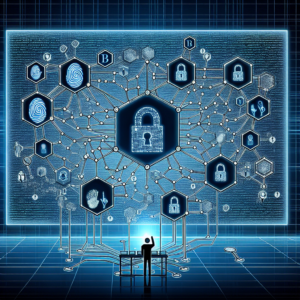
In the past decade, the rapid evolution of blockchain technology has led to the emergence of decentralized applications, or dApps, which are revolutionizing various sectors. Unlike traditional applications, which rely on centralized servers, dApps operate on a decentralized network of computers. This fundamental shift in architecture offers numerous advantages, including enhanced security, transparency, and user empowerment. As we explore the landscape of decentralized applications, it is crucial to understand their potential to transform industries and empower users like never before.
The Foundation of Decentralized Applications
Decentralized applications are built on blockchain technology, which is a distributed ledger system that allows transactions to be recorded across multiple nodes. This technology ensures that no single entity has control over the entire network, creating a trustless environment where transactions are transparent and secure.
Smart contracts, self-executing contracts with the terms of the agreement directly written into code, lie at the core of dApps. These contracts automate processes and eliminate the need for intermediaries, making transactions more efficient and cost-effective. Platforms like Ethereum have popularized the use of smart contracts, offering developers the tools to create a wide range of decentralized applications.
Advantages of Decentralized Applications
The decentralized nature of dApps confers several advantages:
- Security: With data stored across multiple nodes, dApps are inherently more secure than centralized applications. This reduces the risk of data breaches and hacking incidents.
- Transparency: All transactions on a blockchain are publicly recorded, allowing users to verify and audit them independently. This transparency fosters trust among users and stakeholders.
- User Empowerment: dApps eliminate intermediaries, allowing users to interact directly with each other. This not only reduces costs but also gives users more control over their data and digital assets.
- Resilience: The distributed nature of blockchain networks makes dApps more resilient to failures and attacks. Even if some nodes go offline, the network remains functional.
Current Use Cases of Decentralized Applications
Decentralized applications have already made significant inroads in various sectors:
Finance
Decentralized finance, or DeFi, represents one of the most prominent use cases of dApps. By providing financial services without intermediaries, DeFi platforms offer users the ability to lend, borrow, trade, and earn interest on their digital assets. These applications are reshaping traditional banking by making financial services more accessible and inclusive.
Supply Chain Management
dApps are enhancing transparency and traceability in supply chains by recording every transaction on the blockchain. This allows companies to track products from origin to destination, ensuring authenticity and reducing fraud. Brands are leveraging blockchain technology to build consumer trust and improve operational efficiency.
Healthcare
In the healthcare sector, dApps are being used to securely store and share patient data. Blockchain technology ensures that patient records are tamper-proof and only accessible to authorized parties. This enhances data privacy and facilitates seamless information sharing among healthcare providers.
Gaming
The gaming industry is witnessing a paradigm shift with the introduction of blockchain-based games. Players can truly own in-game assets, which are represented as non-fungible tokens (NFTs). This enables a new economy where players can trade, sell, or use these assets across different games and platforms.
Challenges Facing Decentralized Applications
Despite their potential, dApps face several challenges that need to be addressed for widespread adoption:
- Scalability: Blockchain networks often struggle with scalability, leading to slow transaction speeds and high fees. Solutions like layer 2 protocols and sharding are being developed to address these issues.
- User Experience: The complexity of interacting with dApps can be a barrier for non-technical users. Improving user interfaces and simplifying onboarding processes are essential for mass adoption.
- Regulatory Uncertainty: The regulatory landscape for blockchain and dApps is still evolving. Clear regulations are needed to provide legal certainty and foster innovation while protecting consumers.
- Security: While blockchain networks are secure, vulnerabilities in smart contracts can be exploited. Rigorous testing and auditing are necessary to ensure robust security.
The Future of Decentralized Applications
The potential of decentralized applications is vast, and their impact is only beginning to be felt. As technology continues to evolve, several trends are likely to shape the future of dApps:
Interoperability
Interoperability between different blockchain networks will enable seamless communication and collaboration between dApps. Cross-chain solutions and protocols will allow users to interact with various dApps without being confined to a single network.
Integration with Emerging Technologies
The integration of dApps with emerging technologies like artificial intelligence (AI), the Internet of Things (IoT), and augmented reality (AR) will unlock new possibilities and use cases. These technologies can enhance the functionality and user experience of dApps.
Decentralized Identity
Decentralized identity solutions will give users more control over their personal data. dApps will play a crucial role in enabling secure, user-centric identity management, reducing the risk of identity theft and data breaches.
Conclusion
Decentralized applications are unlocking new possibilities and transforming industries by offering enhanced security, transparency, and user empowerment. While challenges remain, the continued development of blockchain technology and the growing interest in decentralized solutions suggest a bright future for dApps. As the ecosystem matures, we can expect to see more innovative use cases that redefine how we interact with digital services and assets. By embracing the potential of decentralized applications today, we are setting the stage for a more transparent, secure, and equitable digital future.