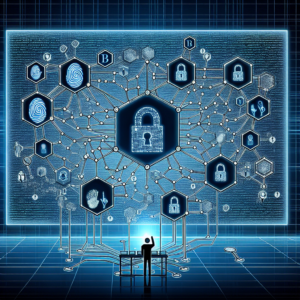
The internet as we know it is undergoing a fundamental transformation. This metamorphosis, often referred to as Web3, represents the third generation of internet services, characterized by decentralization, enhanced user control, and blockchain technology. Unlike its predecessors, Web3 aims to empower users by giving them greater control over their data and digital interactions. As we stand on the cusp of this new era, it’s crucial to understand what Web3 entails, its potential implications, and how it will shape the future of the internet.
The Evolution of the Web
To fully appreciate the significance of Web3, we must first look back at the evolution of the internet. The initial phase, known as Web1, was a static and read-only web. It allowed for the dissemination of information but offered limited interactivity. Users could consume content but had little opportunity for participation.
Web2, the current phase, introduced a more dynamic and interactive experience. Social media platforms, cloud computing, and mobile technology have enabled users to create, share, and engage with content like never before. However, this has also led to the centralization of power among a few tech giants, raising concerns over data privacy, security, and user autonomy.
Understanding Web3
Web3 seeks to address the shortcomings of Web2 by decentralizing the internet and redistributing control to users. At its core, Web3 leverages blockchain technology, which facilitates trustless interactions and enhances security. Blockchain’s decentralized nature ensures that no single entity has control over the network, thus reducing the risk of censorship and data breaches.
Smart contracts, another key component of Web3, automate and enforce agreements between parties without the need for intermediaries. This not only streamlines processes but also reduces costs and enhances transparency.
Key Components of Web3
Decentralization
Decentralization is the cornerstone of Web3. By distributing data and control across a network of nodes, Web3 eliminates the need for centralized servers and intermediaries. This not only enhances security but also empowers users by giving them full control over their data and digital identities.
Blockchain Technology
Blockchain technology underpins Web3 by providing a secure, transparent, and tamper-proof ledger of transactions. This ensures that all interactions are recorded and verified by the network, fostering trust among participants.
Smart Contracts
Smart contracts are self-executing contracts with the terms of the agreement directly written into code. They automatically enforce and execute agreements when predefined conditions are met, eliminating the need for intermediaries and reducing the potential for disputes.
Cryptocurrencies and Tokens
Cryptocurrencies and tokens play a crucial role in Web3 by facilitating transactions and incentivizing network participation. These digital assets are used to reward users, fund projects, and enable decentralized finance (DeFi) applications.
Interoperability
Interoperability is essential for the seamless interaction between different blockchain networks. Web3 aims to create a connected ecosystem where various platforms and applications can communicate and collaborate without friction.
The Impact of Web3 on Various Sectors
Finance
Decentralized finance (DeFi) is one of the most prominent applications of Web3. By leveraging blockchain technology, DeFi platforms offer financial services such as lending, borrowing, and trading without the need for traditional financial institutions. This opens up new opportunities for individuals who lack access to traditional banking services and reduces the cost of financial transactions.
Social Media
Web3 has the potential to revolutionize social media by putting users in control of their data and content. Decentralized social media platforms can mitigate issues related to censorship, data privacy, and monetization, allowing users to retain ownership of their contributions and engage in peer-to-peer interactions.
Supply Chain
Blockchain’s transparency and immutability make it an ideal solution for supply chain management. By providing real-time visibility into the movement of goods, Web3 can enhance traceability, reduce fraud, and improve efficiency across supply chains.
Healthcare
In the healthcare sector, Web3 can enhance data security and interoperability by enabling patients to have full control over their medical records. This can streamline data sharing among healthcare providers, improve patient outcomes, and foster innovation in personalized medicine.
Gaming
Web3 is set to transform the gaming industry by enabling true ownership of in-game assets through non-fungible tokens (NFTs). Players can buy, sell, and trade digital items across platforms, creating new revenue streams and enhancing the gaming experience.
Challenges and Considerations
Scalability
One of the primary challenges facing Web3 is scalability. As blockchain networks grow, they must be able to process a large volume of transactions quickly and efficiently. Solutions such as layer 2 scaling and sharding are being developed to address these issues.
User Experience
For Web3 to gain mainstream adoption, it must offer a seamless and user-friendly experience. This requires intuitive interfaces, simplified onboarding processes, and clear communication of the benefits of decentralization.
Regulatory Environment
The regulatory landscape for Web3 remains uncertain, with varying approaches from different jurisdictions. Establishing clear and consistent regulations is crucial for fostering innovation while ensuring compliance and protecting users.
Security
While blockchain technology offers enhanced security, it is not immune to vulnerabilities. Ensuring the security of smart contracts and protecting against exploits is essential for maintaining trust in Web3 applications.
The Road Ahead
Web3 represents a paradigm shift in how we interact with the digital world. By decentralizing the internet, it has the potential to democratize access to information, empower individuals, and foster innovation across various sectors. However, realizing this vision requires overcoming significant challenges and fostering collaboration among stakeholders.
As we move forward, it is essential to prioritize education and awareness to facilitate the transition to Web3. By understanding the principles and potential of decentralized technologies, users can make informed decisions and actively participate in shaping the future of the internet.
Conclusion
Web3 is poised to revolutionize the internet by offering a decentralized, transparent, and user-centric alternative to the current centralized model. While there are hurdles to overcome, the potential benefits of Web3 are immense. As we unlock the possibilities of this new era, we must remain vigilant and proactive in addressing challenges while embracing the transformative power of decentralization.