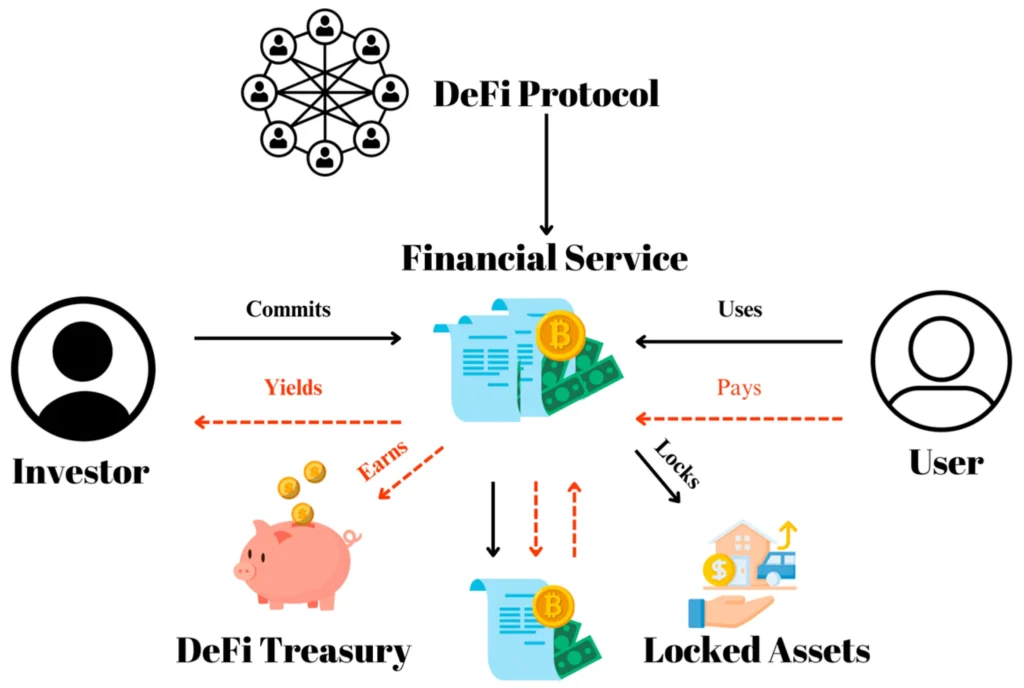
The rise of decentralized finance (DeFi) has been nothing short of revolutionary, introducing a new era of financial services that are open, permissionless, and built on blockchain technology. However, with innovation comes challenges, and the DeFi space has been plagued with numerous security exploits that have resulted in significant financial losses. Understanding these exploits is crucial for developers, investors, and users to enhance security and trust in the DeFi ecosystem.
Understanding DeFi Exploits
DeFi exploits typically involve vulnerabilities in smart contracts, the self-executing contracts with the terms of the agreement directly written into code. These exploits can result from coding errors, misconfigurations, or economic loopholes that malicious actors can manipulate. As the DeFi ecosystem evolves, the sophistication of these attacks increases, necessitating a constant vigilance and improvement in security practices.
Case Study 1: The DAO Hack
Background
One of the earliest and most infamous DeFi exploits was the DAO (Decentralized Autonomous Organization) hack in 2016. The DAO was a venture capital fund operating on the Ethereum blockchain, which raised over $150 million in Ether through a token sale.
The Exploit
A vulnerability in the DAO’s smart contract code allowed an attacker to initiate a recursive call exploit. This exploit enabled the hacker to drain approximately $60 million worth of Ether by repeatedly calling the withdrawal function before the contract could update its balance.
Impact and Response
The DAO hack led to a significant crisis within the Ethereum community, resulting in a controversial hard fork that created Ethereum (ETH) and Ethereum Classic (ETC). This event highlighted the critical need for rigorous code audits and the potential risks associated with smart contracts.
Case Study 2: The bZx Protocol Exploits
Background
bZx is a decentralized lending and margin trading protocol that experienced multiple exploits in 2020, emphasizing the evolving nature of DeFi threats.
The Exploits
The bZx platform suffered two significant exploits within a short period. The first involved a flash loan attack that manipulated the price of a collateral asset, allowing the attacker to profit through a series of complex transactions. The second exploit targeted an oracle manipulation vulnerability, further emphasizing the critical role of secure and reliable price feeds in DeFi applications.
Impact and Response
These exploits resulted in a loss of nearly $1 million and prompted bZx to enhance its security practices, including integrating more robust oracles and conducting comprehensive audits. The incidents underscored the importance of securing all components of a DeFi protocol, not just the smart contracts.
Case Study 3: The Harvest Finance Exploit
Background
Harvest Finance is a yield farming protocol that suffered a major exploit in October 2020, resulting in a significant loss of user funds.
The Exploit
The attacker exploited a flaw in the protocol’s logic related to the Curve Finance pools. By manipulating the prices of stablecoins within the pool, the attacker was able to withdraw assets worth approximately $24 million. This exploit involved sophisticated arbitrage strategies and highlighted the complex interplay between different DeFi protocols.
Impact and Response
Harvest Finance responded by offering a bounty for the return of the stolen funds and implementing various security measures to prevent similar exploits. This incident emphasized the interconnectedness of DeFi platforms and the potential for cascading vulnerabilities.
Case Study 4: The Poly Network Hack
Background
The Poly Network hack in August 2021 was one of the largest DeFi exploits, resulting in a loss of over $600 million from the platform.
The Exploit
The attacker exploited a vulnerability in Poly Network’s cross-chain interoperability protocol, allowing them to transfer funds across multiple blockchains. This exploit took advantage of a flaw in the smart contract code that verified transactions between different chains, bypassing security checks.
Impact and Response
Remarkably, the attacker returned most of the funds, citing a desire to highlight the vulnerability rather than profit from it. Poly Network worked closely with security experts to patch the vulnerability and improve its security framework. This case highlighted the risks associated with cross-chain protocols and the necessity for comprehensive security audits.
Lessons Learned and Future Directions
The analysis of these case studies reveals several key lessons for the DeFi ecosystem:
1. Importance of Code Audits
Thorough audits by experienced security professionals are crucial to identify and fix vulnerabilities before they can be exploited. These audits should be conducted regularly, especially following significant updates or changes to smart contracts.
2. Secure Oracle Integration
Reliable and tamper-proof oracles are essential for DeFi protocols that rely on external data. Using decentralized oracles and multiple data sources can mitigate the risk of manipulation.
3. Comprehensive Security Practices
Security should be a holistic approach encompassing smart contracts, oracles, interfaces, and any cross-chain interactions. Developers should adopt best practices and continuously monitor for potential vulnerabilities.
4. Incident Response Preparedness
Protocols should have a robust incident response plan in place to quickly address and mitigate the impact of any exploits. Offering bounties for responsible disclosure can also encourage ethical hacking and vulnerability reporting.
5. Educating Users and Developers
Education and awareness are vital in promoting a security-first mindset. Both developers and users should be informed about the potential risks and best practices in using and developing DeFi applications.
Conclusion
While DeFi presents a transformative opportunity for the financial sector, it also introduces new security challenges. Analyzing past exploits provides valuable insights into the vulnerabilities that exist within the ecosystem and the measures needed to enhance security. By learning from these case studies, the DeFi community can work towards creating a more secure and resilient financial future.
#ChatGPT assisted in the creation of this article.