In today’s digital age, the internet has become an indispensable part of our daily lives. It enables communication, commerce, education, and entertainment on a global scale. However, the current centralized structure of the internet poses significant challenges and threats to online freedom, privacy, and security. Enter the decentralized internet—a transformative concept that promises to reshape the digital landscape and redefine the way we interact with the online world. This article explores the potential of the decentralized internet as the future of online freedom, examining its implications, benefits, and challenges.
The Centralized Internet: A Double-Edged Sword
The traditional internet infrastructure is largely centralized, with data controlled by a handful of powerful entities such as governments, tech giants, and internet service providers (ISPs). This concentration of power has led to several issues, including:
- Privacy Concerns: Centralized platforms often collect and monetize user data, compromising privacy.
- Censorship: Governments and corporations can easily restrict access to information and stifle free speech.
- Security Vulnerabilities: Centralized systems are attractive targets for cyberattacks, putting user data at risk.
- Single Points of Failure: Centralized servers are prone to downtime and outages, disrupting services.
These challenges underscore the need for a new internet paradigm that prioritizes user autonomy, security, and freedom.
Decentralization: A New Dawn for the Internet
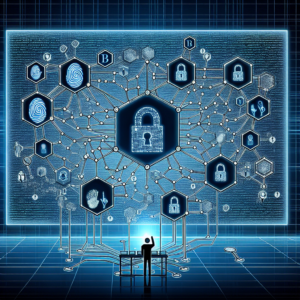
Decentralization refers to the distribution of control and decision-making across a network, rather than being concentrated in a single entity. In the context of the internet, decentralization aims to create a more resilient and equitable digital ecosystem. Key elements of a decentralized internet include:
Blockchain Technology
Blockchain, the underlying technology behind cryptocurrencies like Bitcoin and Ethereum, plays a pivotal role in decentralization. By recording transactions on a distributed ledger, blockchain ensures transparency, immutability, and trust without the need for intermediaries.
Peer-to-Peer (P2P) Networks
P2P networks eliminate the need for centralized servers by enabling direct communication between users. This architecture enhances privacy, reduces bottlenecks, and increases network resilience.
Decentralized Applications (dApps)
dApps are software applications that run on decentralized networks, offering services without relying on centralized control. Examples include decentralized finance (DeFi) platforms, which provide financial services without traditional banks, and decentralized social media platforms that promote free expression.
Benefits of a Decentralized Internet
A decentralized internet holds the potential to revolutionize the way we experience the digital world. Some of the key benefits include:
Enhanced Privacy and Security
Decentralization reduces the risk of data breaches and unauthorized access by distributing data across multiple nodes. Users maintain control over their personal information, leading to improved privacy and security.
Increased Resilience and Reliability
With data distributed across a vast network, the decentralized internet is less susceptible to outages and attacks. Even if one node fails, the network can continue to function, ensuring uninterrupted access to services.
Empowerment of Users
Decentralization empowers users by giving them greater control over their digital identities and assets. This shift away from centralized authorities fosters innovation and competition, ultimately benefiting consumers.
Freedom of Expression
Decentralized platforms mitigate censorship by making it difficult for any single entity to control or suppress information. This openness promotes free speech and diverse perspectives, fostering a more inclusive online environment.
Challenges and Considerations
While the vision of a decentralized internet is promising, several challenges must be addressed to realize its full potential:
Scalability
Decentralized networks must be able to handle large volumes of data and transactions efficiently. Achieving scalability without compromising security and decentralization remains a significant technical hurdle.
Interoperability
For a decentralized internet to thrive, different protocols and networks must be able to communicate and work together seamlessly. Establishing interoperability standards is essential to prevent fragmentation and ensure a cohesive digital ecosystem.
User Adoption and Education
Widespread adoption of decentralized technologies requires educating users about their benefits and how to navigate the decentralized web. User-friendly interfaces and intuitive experiences are crucial to attracting and retaining users.
Regulatory and Legal Challenges
Governments and regulatory bodies are still grappling with how to address decentralized technologies. Striking a balance between regulation and innovation is necessary to protect users while fostering a supportive environment for growth.
The Road Ahead
The decentralized internet is not a distant dream; it is a burgeoning reality with the potential to reshape the digital landscape. As blockchain technology, P2P networks, and dApps continue to evolve, they pave the way for a more democratic, secure, and open internet. The journey toward a decentralized internet requires collaboration among developers, policymakers, businesses, and users to overcome challenges and unlock its transformative potential.
Conclusion
The decentralized internet represents a paradigm shift in how we perceive and interact with the digital world. By dispersing control and empowering users, it promises to address the shortcomings of the current centralized model and usher in an era of true online freedom. While challenges remain, the potential benefits of a decentralized internet are too significant to ignore. As we move forward, embracing decentralization could redefine the internet as a cornerstone of liberty, privacy, and innovation for generations to come.