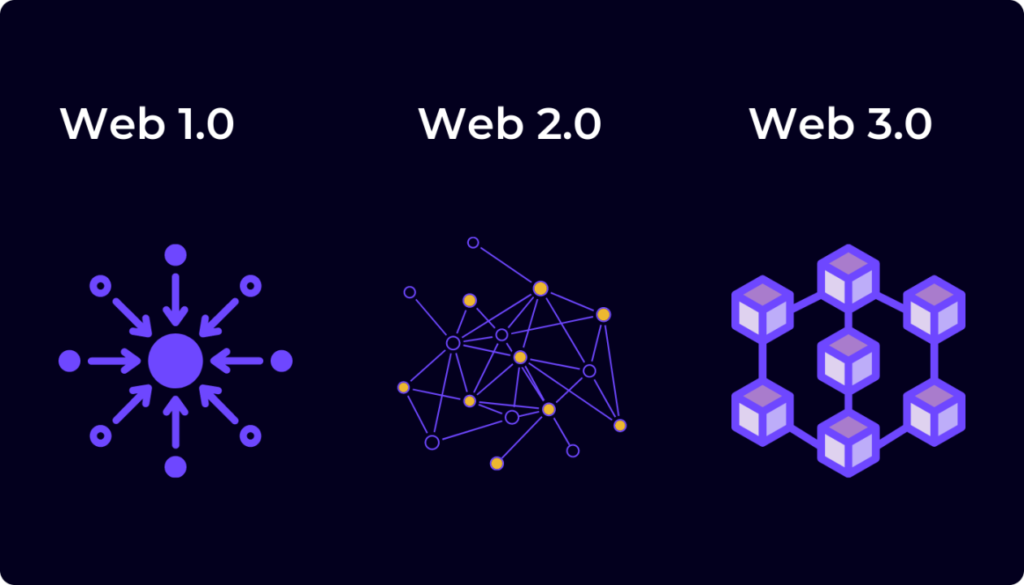
The concept of the internet has evolved dramatically since its inception, transitioning from Web 1.0, a static information portal, to Web 2.0, characterized by interactive social platforms and user-generated content. Today, we stand at the precipice of Web3, a decentralized internet powered by blockchain technology. This article delves into how Web3 infrastructure is revolutionizing the digital landscape and unlocking new potentials for innovation and collaboration.
Understanding Web3 and Its Infrastructure
Web3 represents a paradigm shift from centralized to decentralized systems. It is built on blockchain technology, which enables peer-to-peer networks where users have greater control over their data and digital assets. At its core, Web3 infrastructure comprises several key components, including distributed ledgers, smart contracts, decentralized applications (dApps), and decentralized finance (DeFi) platforms.
Distributed Ledgers and Blockchain
The backbone of Web3 is the distributed ledger technology, or blockchain. Unlike traditional databases controlled by a single entity, blockchains are maintained by a network of nodes that verify and record transactions. This decentralized nature enhances transparency and security, reducing the risk of fraud and data breaches.
Smart Contracts
Smart contracts are self-executing agreements with the terms of the contract directly written into code. They automatically enforce and execute the terms without the need for intermediaries. This innovation streamlines processes, reduces costs, and increases trust among parties involved in digital transactions.
Decentralized Applications (dApps)
dApps are applications that run on a blockchain network rather than centralized servers. They offer greater transparency, censorship resistance, and user control over personal data. From gaming to social media, dApps are transforming how we interact with digital services.
Decentralized Finance (DeFi)
DeFi platforms leverage blockchain to offer financial services without traditional intermediaries like banks. Users can lend, borrow, trade, and earn interest on digital assets in a secure and decentralized manner. DeFi is democratizing finance by making it accessible to anyone with an internet connection.
The Impact of Web3 on Digital Collaboration
One of the most significant promises of Web3 is its potential to enhance digital collaboration. By eliminating intermediaries and creating trustless environments, Web3 fosters direct peer-to-peer interactions and cooperation across various sectors.
Enhanced Privacy and Data Ownership
In the current Web 2.0 environment, user data is often controlled and monetized by large corporations. Web3, however, enables users to own and control their data through decentralized identities and encrypted storage solutions. This shift empowers individuals to choose how their information is used and shared.
Decentralized Autonomous Organizations (DAOs)
DAOs are organizations that operate on blockchain-based smart contracts, allowing participants to vote on decisions and manage resources collectively. This democratized structure encourages collaboration and innovation, as stakeholders can contribute and benefit directly from the organization’s success.
Intellectual Property and Content Creation
Web3 is revolutionizing content creation and intellectual property management by enabling creators to tokenize their work. By converting digital content into non-fungible tokens (NFTs), creators can prove ownership, control distribution, and receive royalties automatically through smart contracts.
Challenges in Building Web3 Infrastructure
Despite its potential, Web3 infrastructure development faces several challenges that need addressing to achieve mainstream adoption.
Scalability
Current blockchain networks struggle with scalability, often resulting in slow transaction speeds and high fees. Innovations such as layer-2 solutions, sharding, and new consensus mechanisms are being explored to address these issues and make Web3 infrastructure more efficient.
Interoperability
With numerous blockchain networks operating independently, interoperability becomes crucial for seamless user experience. Efforts to create cross-chain protocols and bridges are underway to enable communication and asset transfers between different blockchains.
User Experience and Accessibility
For Web3 to gain widespread acceptance, user interfaces must be intuitive and accessible. Simplifying wallet management, reducing technical barriers, and educating users about blockchain technology are essential steps toward enhancing user experience.
Future Prospects of Web3
As Web3 infrastructure continues to evolve, its potential applications expand across various domains, promising transformative changes in how we interact with technology and each other.
Healthcare and Supply Chain Management
Blockchain’s transparency and immutability can revolutionize healthcare by enabling secure sharing of medical records and ensuring the authenticity of pharmaceuticals. Similarly, supply chain management can benefit from increased transparency, reducing fraud and improving efficiency.
Real Estate and Property Management
Tokenization of real estate assets via blockchain can streamline property transactions, reduce paperwork, and increase accessibility to real estate investment opportunities for a broader audience.
Education and Skill Verification
Web3 can transform education by allowing individuals to own and verify their academic credentials on the blockchain. This innovation can streamline hiring processes and facilitate lifelong learning and skill development.
Conclusion
Web3 infrastructure represents a revolutionary leap forward in the digital realm, offering new opportunities for innovation, collaboration, and empowerment. Despite the challenges it faces, its potential to redefine industries and enhance digital interactions is undeniable. As developers, entrepreneurs, and users continue to build and embrace this decentralized future, we are on the brink of unlocking a new era of digital potential.
#ChatGPT assisted in the creation of this article.